

 Your kidneys take care of a lot of essential functions in your body. And yet, most people ignore them until something goes wrong.
Many herbs have been studied for their role in helping kidney stones, urine flow, inflammation, and other kidney-related concerns, but the evidence varies widely.
A few have human research behind them, while others are supported mainly by traditional use or early laboratory studies.
This guide looks at 15 herbs for kidney health, what research actually says about them, and which ones may require extra caution.
Can Herbs Actually Improve Kidney Health?
Some herbs may help with certain kidney-related issues. But that does not mean they can repair damaged kidneys or reverse chronic kidney disease.
Most herbs have only been researched for their role in helping to manage a particular aspect of kidney health.
Chanca piedra, for example, has been researched for kidney stones. Other herbs have been looked at for urine flow, inflammation, or changes in certain lab markers.
However, possible benefits are only part of the picture. Some herbs can also affect potassium levels, interact with medications, or be risky if your kidneys are already not working well.
So rather than treating all “kidney herbs” the same, it makes more sense to look at what the research shows for each one.
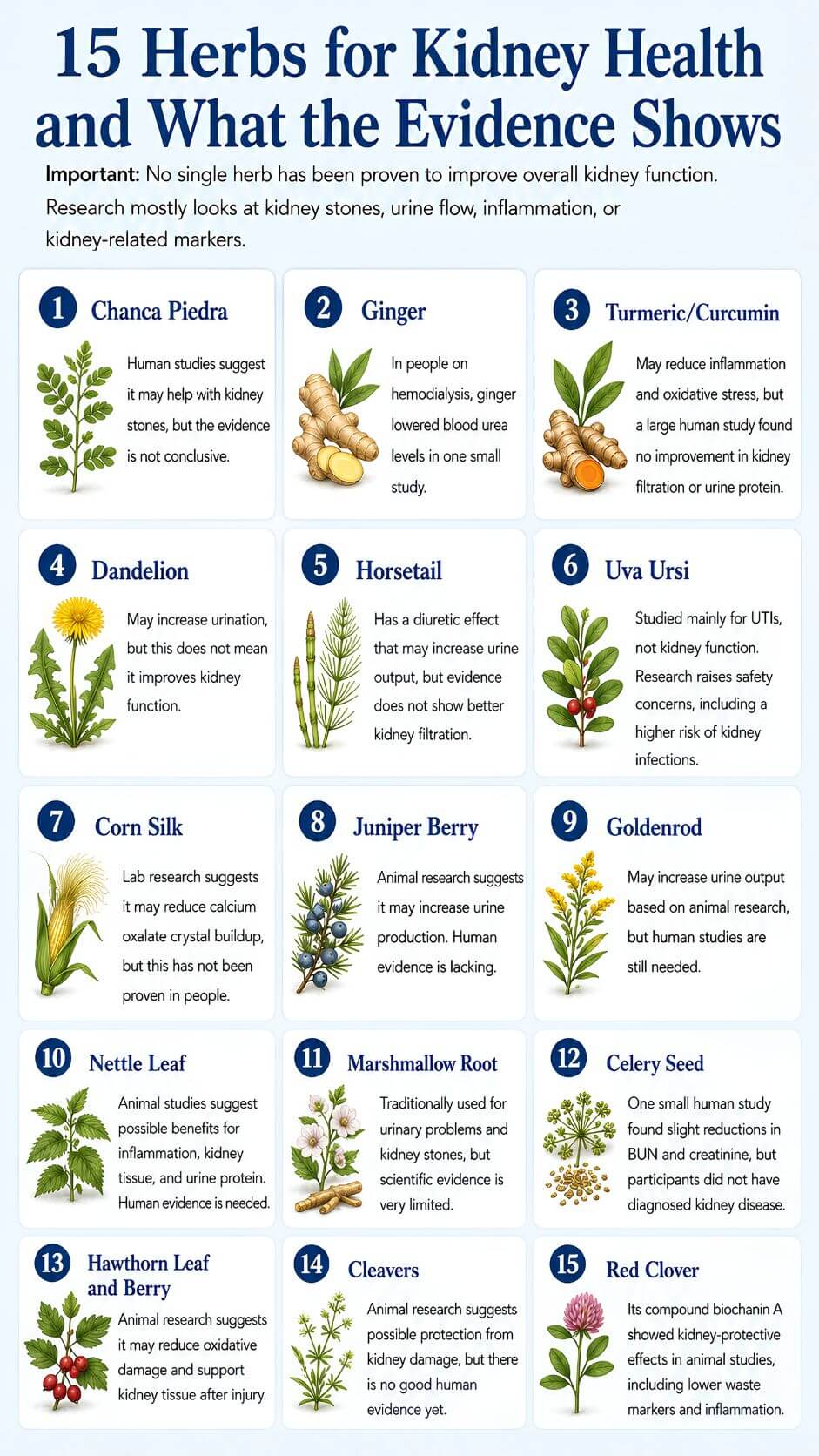
15 Herbs for Kidney Health and What the Evidence Shows
No single herb has been shown to improve overall kidney function, but several herbs have been studied for kidney stones, urine flow, inflammation, or other kidney-related concerns.
Note: Not all of these herbs have been found helpful for kidney health.
We consider 15 herbs that are commonly used for kidney or urinary health and what research has actually found:
1. Chanca Piedra
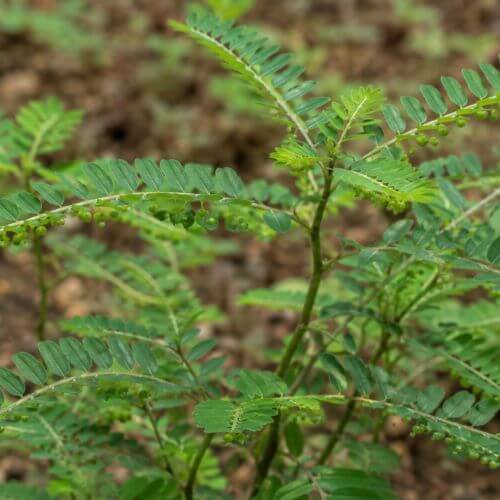
Chanca piedra, or Phyllanthus niruri, is probably best known for its traditional use for kidney stones. There is some human research behind that use, although it is still far from conclusive.
In one study, 56 people drank a P. niruri infusion for 12 weeks. By the end, they had fewer stones on average, and some stone-related urine measurements had also improved. [1]
However, a 2025 review found that while there is some evidence for chanca piedra for urinary stones, caution should still be used due to the chemical complexity of the plant. [2]
2. Ginger
Ginger has been studied in people with kidney disease, but the evidence is still limited. A study followed 44 adults with diabetes on hemodialysis who took 2,000 mg of ginger daily for eight weeks. [3]
Their serum urea levels dropped compared with placebo. Since urea is waste the kidneys help remove, lower levels mean less of that waste was circulating in the blood.
3. Turmeric and Curcumin
Curcumin is the main compound in turmeric that gets all the attention, mostly because of its ties to inflammation and oxidative stress, two things that can wear on the kidneys over time.
A 2023 study gave curcumin to 533 adults with chronic kidney disease for six months. They found no real change in kidney filtration or urine protein by the end of it. [4]
That said, a 2025 review found that curcumin may help reduce inflammation, oxidative stress, and scarring processes linked to kidney damage. The authors still called for larger human trials, though. [5]
4. Dandelion
Dandelion is often used as a natural diuretic, meaning it may help your body get rid of extra fluid by increasing urination. A small human study found this effect with dandelion leaf extract. [6]
That may be useful when fluid retention is a concern, but it does not mean dandelion improves kidney function.
If you have kidney disease, check with your doctor first. Dandelion can be high in potassium and may also interact with diuretic medicines.
5. Horsetail
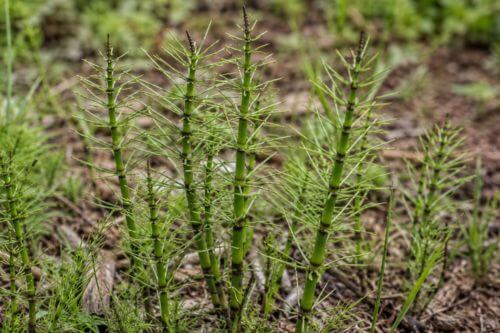 Horsetail is often linked with kidney health because it acts as a diuretic, helping the body remove extra fluid through urine.
Researchers gave 36 healthy men 900 mg of horsetail extract each day for four days. Its diuretic effect was similar to hydrochlorothiazide, with no significant change in electrolyte loss. [7]
That explains its traditional use for urinary support. Still, increased urination does not mean the kidneys are filtering better.
The study only looked at short-term use in healthy adults, so people with kidney disease should talk with their doctor before taking horsetail.
6. Uva Ursi
Uva ursi is often grouped with kidney herbs because of its traditional use for urinary problems. Its research, however, is mainly about bladder infections rather than kidney function.
In a trial of 398 women with uncomplicated UTIs, uva ursi reduced antibiotic use but led to more symptoms. Kidney infections also occurred more often in that group. [8]
Because of these safety concerns, uva ursi should not replace medical treatment for a UTI. The National Kidney Foundation also lists it as high risk for people with kidney disease.
7. Corn Silk
Corn silk has been used for urinary problems for a long time. One reason is that it may help increase urine flow, which is why people often connect it with kidney health.
A lab study found that corn silk polysaccharides helped protect kidney cells in the laboratory from calcium oxalate crystals, the type involved in many kidney stones. [9]
They also reduced how strongly these crystals stuck to kidney cells and clumped together. That could make stone formation less likely. This could matter for stone formation, but it has not yet been shown to prevent kidney stones in people.
8. Juniper Berry
Juniper berries have traditionally been used for urinary health because they may increase urine flow. This is why they are sometimes grouped with herbs for kidney support.
An older animal study found that juniper preparations increased urine production. That may help explain its traditional use. [10]
However, human evidence is still lacking, so juniper should not be described as improving kidney function or cleansing the kidneys.
9. Goldenrod
Goldenrod is often linked with kidney and urinary health because it may increase urine flow. This is one reason it has traditionally been used for urinary problems.
An animal study found that some goldenrod extracts increased water loss through urine. That may help explain its traditional diuretic use, but the finding has not been confirmed in people. [11]
10. Nettle Leaf
Nettle leaf is often connected with kidney health because of its traditional use for urinary problems. It may increase urine flow, which is why it appears in many kidney-support blends.
In a recent study in rats with high blood pressure, nettle leaf extract lowered albumin in the urine. Less albumin leakage suggested less stress on the kidney’s filtering barrier. [12]
The extract also reduced inflammation, oxidative stress, and signs of kidney scarring. These changes could help protect kidney tissue over time. Human studies are still needed to know whether nettle has similar kidney effects in people.
11. Marshmallow Root
Marshmallow root has long been used for urinary problems, including painful urination and kidney stones. That history is one reason it still appears in kidney-support formulas today.
A review of Unani medicine, a Greco-Arabic healing system still used in South Asia today, also described marshmallow as a diuretic and anti-inflammatory herb. Its roots, leaves, flowers, and seeds were all used traditionally. [13]
The authors noted that only a small number of these traditional uses have been tested scientifically, though.
12. Celery Seed
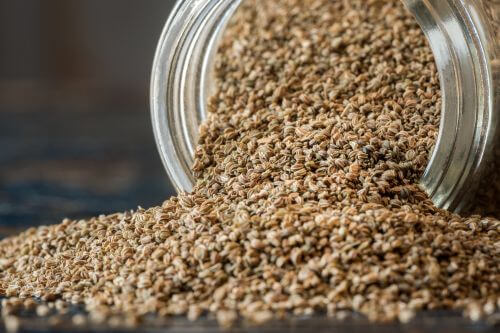 Celery seed has been studied for a possible effect on kidney-related blood tests, though the research is still pretty limited.
In one study, 51 people with high blood pressure took celery seed extract for four weeks. Their BUN and creatinine levels went down slightly. [14]
Both tests can rise when the kidneys are not clearing waste well. Even so, this was a small study, and the participants did not have identified kidney disease.
13. Hawthorn Leaf and Berry
Hawthorn is usually talked about for heart health, but researchers have also looked at whether its berries might help protect the kidneys.
One 2025 animal study found that hawthorn berry extract reduced oxidative damage in kidney tissue and improved some kidney-related measurements after injury. It also helped restore the kidneys’ natural antioxidant defenses. [15]
14. Cleavers
Cleavers has a long history of use for urinary support, but good human research on kidney health is still missing.
In a rat study, cleavers extract appeared to reduce some kidney changes caused by cisplatin, a drug known to damage the kidneys. [16]
That points to a possible protective effect, but it is still very early evidence. We do not know whether cleavers would have the same effect in people.
15. Red Clover
Red clover contains biochanin A, a plant compound researchers are studying for possible kidney-protective effects.
Recent research has focused more on biochanin A than on red clover itself. In rats with gentamicin-related kidney injury, it lowered creatinine, urea, and other waste markers. It also reduced inflammation and oxidative damage in kidney tissue. [17]
Quantamax: Eight Herbs in One Kidney and Urinary Formula
Some of the herbs covered above are also combined in Quantamax, a glycerin-based liquid formula made with eight herbs commonly used for kidney and urinary support.
It contains:
- Juniper berry
- Cleavers leaf and stem
- Dandelion leaf
- Uva ursi leaf
- Cornsilk
- Chanca piedra
- Hawthorn leaf
- Horsetail
The research behind these herbs is not all the same. Some have been studied for urine flow or kidney stones, while others are supported mainly by traditional use.
Studies on individual ingredients also do not tell us how the finished Quantamax formula will affect a particular person.
If you are considering Quantamax, especially if you have kidney disease or take prescription medications, talk with the Lam Clinic team first.
We can review your health history, medications, and current concerns to help you decide whether it may be appropriate for you.
A Quick Note on Safety: Some herbs on this list may affect potassium, fluid balance, blood pressure, or medications. A few may not be appropriate at all for people with reduced kidney function. If you have kidney disease, take prescription medications, are pregnant or nursing, or have been told to limit potassium or fluids, talk with your healthcare team before using herbal supplements.
Which Herbs May Be Unsafe If You Have Kidney Disease?
If you have kidney disease, some herbs on this list need extra caution. The National Kidney Foundation specifically places uva ursi, goldenrod, horsetail, and stinging nettle in its higher-risk group.
The risk may be greater if you have kidney failure, are on dialysis, or have had a kidney transplant.
Herbs With Higher Overall Safety Risk
- Uva ursi: Listed by the National Kidney Foundation as a higher-risk herbal supplement for people with kidney disease.
- Goldenrod: Also included in the higher-risk group.
- Horsetail: Listed as higher risk and may also contain a significant amount of potassium.
- Stinging nettle: Listed as higher risk and may contain substantial potassium and phosphorus.
Other Herbs That May Affect Mineral Levels
If you have kidney disease, it’s important to know that:
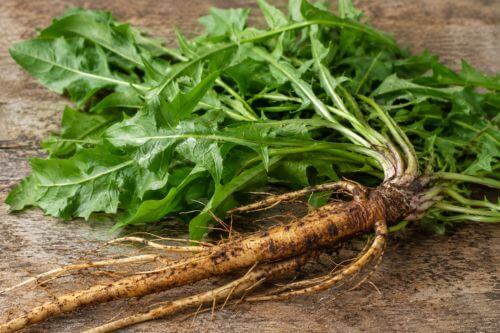 Dandelion root and leaf can be high in potassium.
- Turmeric supplements may contain substantial potassium and phosphorus.
That matters because damaged kidneys may have trouble keeping these minerals at safe levels, especially in people receiving dialysis.
Your individual risk also depends on the dose, product quality, how long you take it, your medications, and your other health conditions.
For that reason, it’s not a good idea to do trial and error with herbal supplements if you have kidney disease.
Review the full ingredient list with your healthcare team before starting one.
How to Use Herbal Supplements More Safely
The safest first step is simple: talk with your healthcare provider before taking a kidney herbal supplement.
Bring the actual bottle or a photo of the label. Your provider needs to know the ingredients, dose, and other medicines or supplements you take.
That makes it easier to spot possible problems, including:
- Medication interactions: Some herbs can change how prescription or over-the-counter medicines work.
- Potassium or phosphorus concerns: Certain herbal products can contain amounts that may matter when kidney function is reduced.
- Fluid or blood pressure changes: Diuretic herbs may increase urination and can affect people differently depending on their health and medications.
- Kidney disease or transplant risks: Supplements that seem harmless to one person may be a poor choice for someone on dialysis or taking transplant medicines.
Also, do not assume the dose used in a study is the right dose for you. Store-bought extracts, teas, powders, and tinctures can differ from research preparations.
If your provider gives you the go-ahead, follow the product directions and any personal advice they give you rather than increasing the dose on your own.
When to Consider Kidney Function Testing
Kidney testing may be worth considering if you have abnormal lab results, ongoing health concerns, or risk factors such as diabetes or high blood pressure.
Kidney problems do not always cause obvious symptoms early on. Sometimes, changes show up in blood or urine tests before you notice anything different.
At Lam Clinic, we may use a broader blood panel to look at kidney markers alongside other parts of your health.
For kidney and electrolyte health, this may include:
- eGFR to estimate how well your kidneys filter blood
- BUN and creatinine to look at waste levels in the blood
- Sodium and potassium to check important electrolytes
- Chloride and CO₂ to help assess fluid, electrolyte, and acid-base balance
These results can help us understand whether anything deserves a closer look before making decisions about supplements or other parts of your care.
Blood tests are not the whole picture. Urine albumin testing, often measured as UACR, is another important part of evaluating possible kidney damage.
At Lam Clinic, we review your results alongside your health history, symptoms, medications, and current supplements. From there, we can discuss what the findings may mean and appropriate next steps.
When Kidney Symptoms Need Medical Evaluation
Kidney symptoms are worth checking when they are new, keep coming back, or seem to be getting worse.
Call your doctor if you notice:
- Blood in your urine
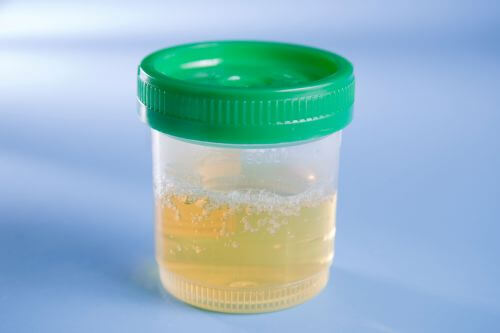 Foamy urine that keeps happening
- Urinating much more or less than usual
- Swelling in your feet, ankles, legs, or around your eyes
- Ongoing tiredness, nausea, or loss of appetite
- Pain in your back or side that does not go away
Some symptoms should not wait:
Fever or chills with back or side pain, painful urination, nausea, or vomiting may point to a kidney infection and should be checked promptly.
A sudden drop in urine, fast-growing swelling, confusion, chest pressure, or severe weakness can be more serious and may need urgent care.
Herbs are not the right place to start when these symptoms show up. It is more important to find out what is causing them first.
In Closing
There is no single herb that can do everything for your kidneys. When it comes to herbs for kidney health, what matters most is knowing what each herb has actually been studied for and whether it is safe for you.
A supplement that works well for one person may not make sense for someone with kidney disease, abnormal potassium levels, or certain medications.
If you are unsure where your kidney health stands, you do not have to sort through supplements and lab results on your own. At Lam Clinic, we take time to look at the bigger picture before discussing next steps.
Schedule a consultation with Lam Clinic to review your health, labs, and supplements and see what approach may fit you best.